Global Health Programs

A mobile surgical team corrects eyelid deformity from chronic trachoma infection. Photograph: ©Steven Wade Adams, Karamoja, Uganda 2017
Strategic Documentation of Global Health Programs
Global health programs demand visual storytelling that can demonstrate program effectiveness, honors community dignity, and builds stakeholder confidence in complex interventions. I partner with nonprofits and NGOs implementing disease elimination campaigns, WASH programs, health systems strengthening, and vulnerable children initiatives across multiple countries.
This work supports strategic organizational objectives: USAID donor reporting, foundation communications, fundraising campaigns, and advocacy demonstrating measurable public health outcomes in resource-limited settings.
Representative partners: International Trachoma Initiative, Project Concern International, Global Communities, Project Kalay International (Founder)

Measuring Mid-upper arm circumference is a simple and inexpensive method used to assess nutritional status, particularly in Africa, where resources may be limited. Photograph: ©Steven Wade Adams, Karamoja, Uganda 2017
Field Experience Across Programs
Multi-country documentation includes trachoma elimination programs in Uganda and Ethiopia, WASH education in Myanmar monastic schools, nutrition and child health programs in India, and vulnerable children protective services. Work spans disease control through the SAFE strategy (Surgery, Antibiotics, Facial cleanliness, Environmental improvement), community health worker systems, hygiene education, and residential care for at-risk children.
Each engagement draws on my background in veterinary medicine and health (DVM, PhD), health systems strategy—enabling rapid program comprehension and documentation that authentically represents technical complexity while serving communications objectives.
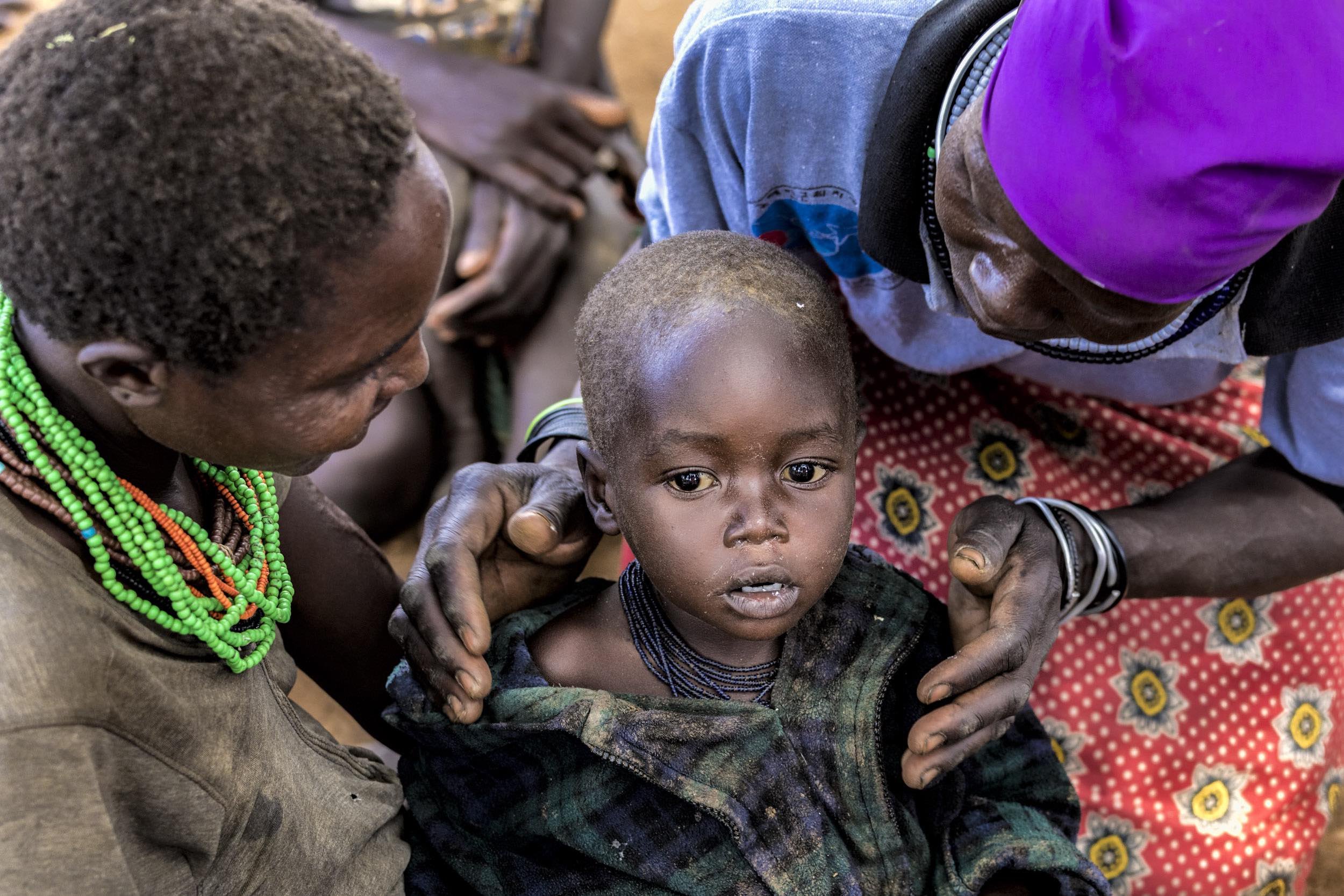
A young child receives care at a mobile health clinic in Karamoja, Uganda. Photograph: ©Steven Wade Adams, Karamoja, Uganda 2017
Strategic Collaboration Process
Global health programs require visual storytelling that demonstrates program effectiveness, honors community dignity, and builds stakeholder confidence in complex interventions. I partner with nonprofits and NGOs implementing disease elimination campaigns, WASH programs, health systems strengthening, and vulnerable children initiatives across multiple countries.
I have created documentation that supports government and donor reporting, foundation communications, fundraising campaigns, and advocacy, highlighting measurable public health outcomes in resource-limited settings. Representative partners include the International Trachoma Initiative, Project Concern International, Global Communities, and Project Kalay International (Founder).
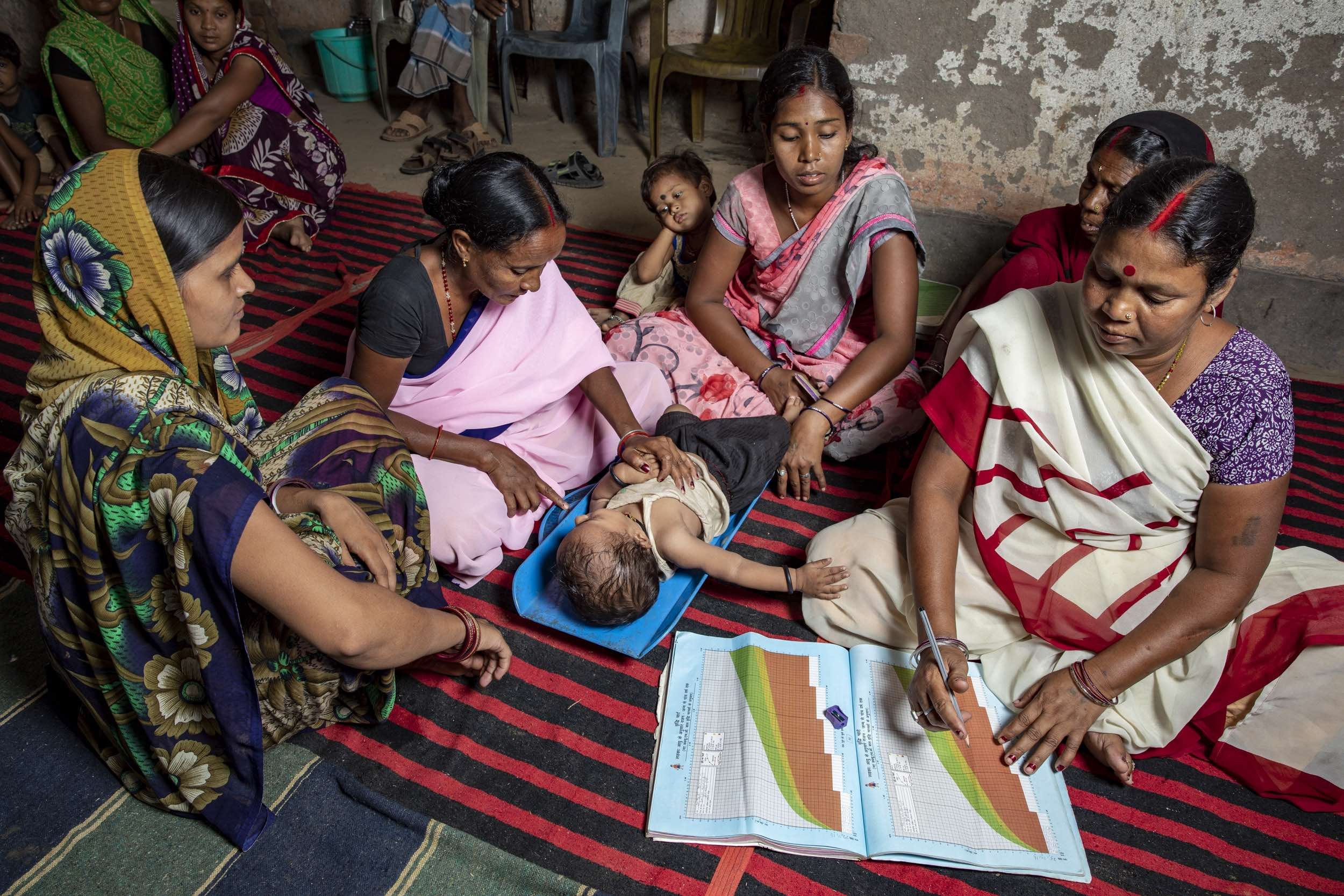
Growth measurements and charting to assess nutritional status and health in young children. Photograph: ©Steven Wade Adams, Bihar, India 2017
SELECT ASSIGNMENTS
Trachoma Elimination Programs: SAFE Strategy in Practice

The height of this boy in Karamoja is measured to determine his dose of azithromycin. He is attending a community dosing event where the entire village is treated with antibiotics, one of the cornerstones of Trachoma elimination. hotograph: ©Steven Wade Adams, Karamoja, Uganda 2017
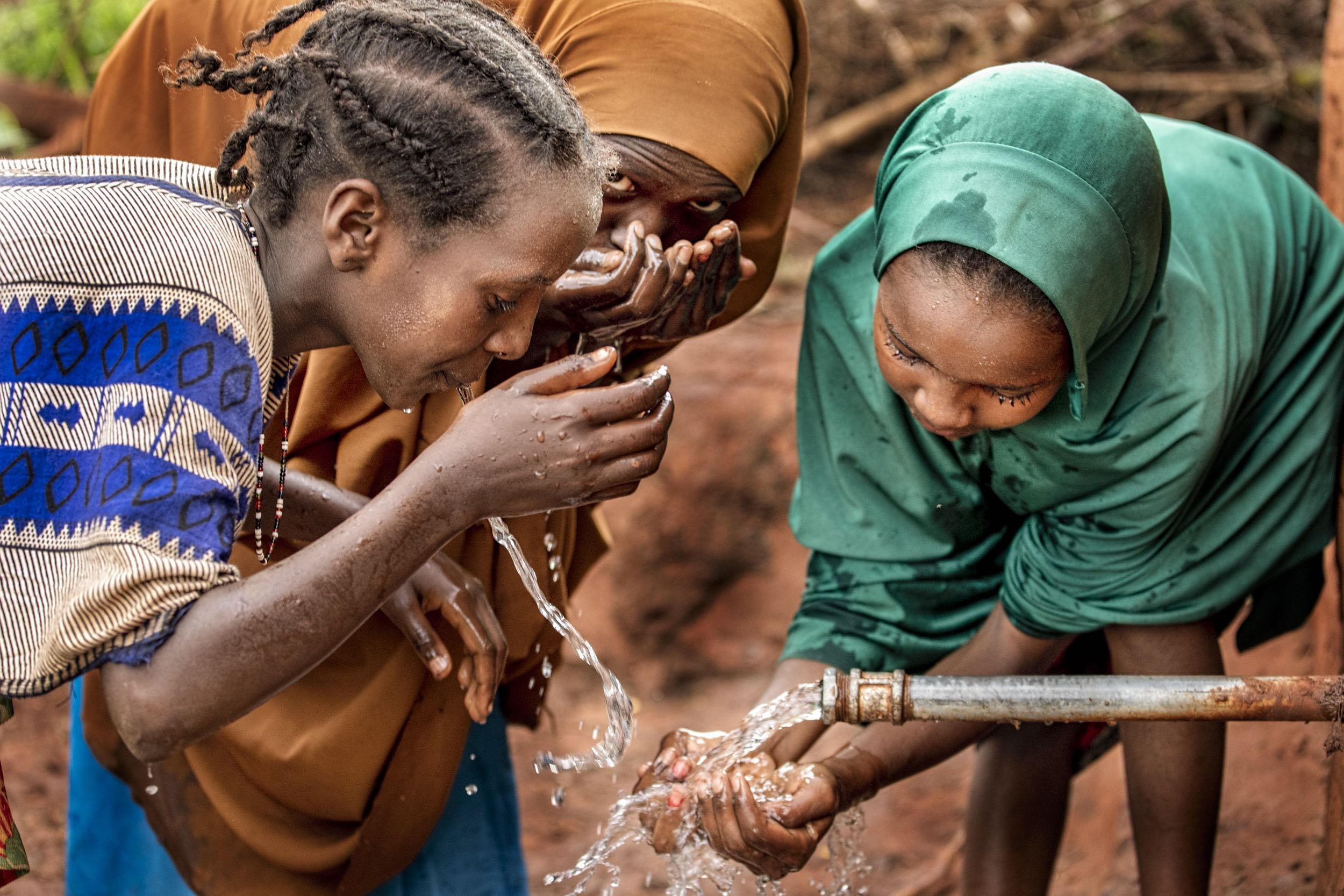
Young girls drink and wash theor faces at a well constructed by PCI with support from USAID. Face washing is a critical element of trachoma control. Photograph: ©Steven Wade Adams, Bale Zone, Ethiopia, 2017
Strategic documentation spanned all elements of the WHO-endorsed SAFE strategy being implemented in Uganda and Ethiopia. Trachoma, caused by Chlamydia trachomatis, remains endemic where poverty limits sanitation access and hygiene education. Chronic infection leads to severe pain, vision loss, and economic loss as advanced disease prevents individuals from contributing to household livelihoods.
Fieldwork in Uganda’s Karamoja region and Ethiopia’s Bale Zone documented multi-partner interventions, including mass antibiotic distribution (Zithromax, donated by Pfizer and distributed through the International Trachoma Initiative), surgical correction of advanced trichiasis, facial cleanliness education, and environmental improvements through water and sanitation infrastructure.
Partners have included the International Trachoma Initiative, World Vision, The Carter Center, PCI Ethiopia, and local health ministries—demonstrating coordinated strategy across surgery, antibiotics, facial cleanliness, and environmental improvement (SAFE).
Visual storytelling supported donor reporting, advocacy for continued elimination funding, and communications demonstrating progress toward WHO elimination targets—while honoring patient dignity and clearly conveying technical implementation across multiple intervention points.

Local leader implores a rural village in Karamoja to exercise good hygiene which is crucial contributor to trachoma control. hotograph: ©Steven Wade Adams, Karamoja, Uganda, 2017
WASH and Hygiene Education in Myanmar
Monastic Schools

Young monks at monastic school in rural Myanmar. Photograph: ©Steven Wade Adams, Myanmar, 2018
Through Project Kalay International, an organization I founded, I documented a water, sanitation, and hygiene (WASH) education program addressing diarrheal disease and respiratory infection prevention in Myanmar monastic schools.
Nearly 2 million children globally under age five die each year from diarrheal diseases and pneumonia. Handwashing with soap can prevent an estimated one in three diarrheal cases and one in five respiratory infections (CDC data), yet soap use remains limited in many low-resource settings.
This program worked with Buddhist monastic schools serving children from families unable to afford government school fees, implementing hygiene education, handwashing demonstrations, and soap provision. Program success depended on engagement from monastery leadership and on peer education led by older students.
Field documentation captured program implementation, leadership training, student peer education, and early behavior change outcomes—supporting donor reporting and communications for program expansion before the 2021 military coup, which disrupted operations. This assignment combined my role as organizational founder with documentation responsibilities, essential for continued donor supportand engagement.

Monks teach one another proper hand washing as part pf a hygiene education program at schools in rural Myanmar: ©Steven Wade Adams, Myanmar, 2018
This assignment combined organizational founder role with documentation responsibilities—illustrating integrated approach to program development and strategic communications.
PCI India Boys Home: Residential Care for Vulnerable Children
Haryana, India

The residents of the PCI Indias Boys Home. ©Steven Wade Adams, Haryana, India, 2017
In Haryana, India, I worked with PCI India to document a residential care program for vulnerable boys addressing homelessness, family instability, and child protection concerns. The Boys Home provides a safe environment, education, vocational training, trauma-informed counseling, and life skills development. The program integrates trauma-informed care, recognizing that many residents have experienced significant adversity before placement. Counseling, mentorship, life skills workshops, and community-building activities prepare boys for independent living while fostering resilience and social-emotional development.
This assignment provided key support for an ongoing fundraising campaign, creating personalized content for U.S. donor audiences. This required visual storytelling to demonstrate program quality, child well-being outcomes, and organizational capacity—while strictly adhering to child protection protocols and maintaining dignity-centered representation.
Field documentation covered daily life activities (meals, bathing, sleeping arrangements), educational programming, vocational training, recreational activities, and individual portraits alongside personal narratives. This work captured the broader context of child vulnerability through documentation at the Delhi railway station, where homeless children congregate and are often rescued.


Visual assets supported donor communications that highlighted measurable outcomes: safe housing, consistent nutrition, educational access, psychological support, and community integration—building stakeholder confidence in program effectiveness and a sustainable approach to child protection.


